
Demystifying GST Clarifications: Director Services and Cinema Food Taxes Explained | 2026
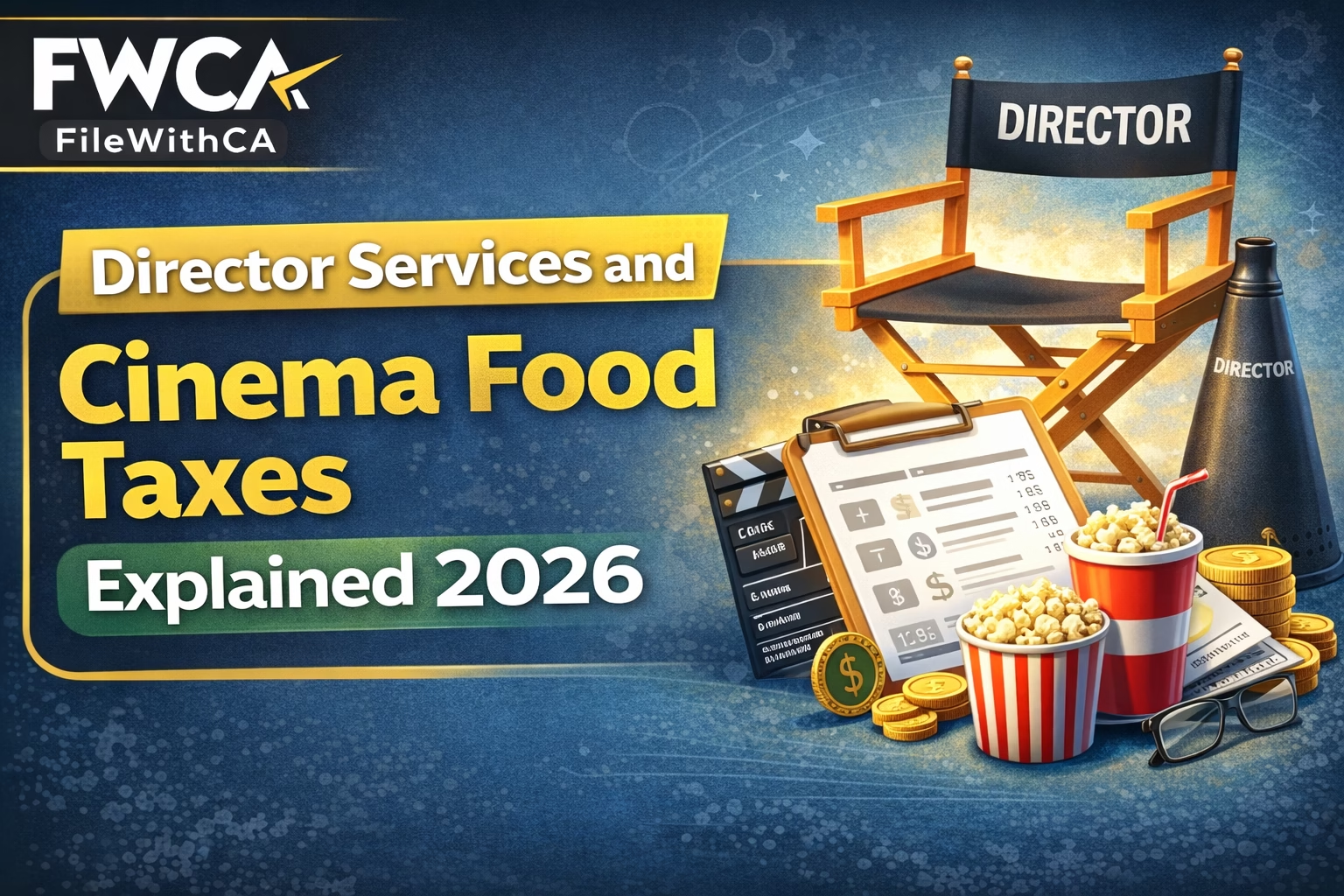
Navigating the nuances of India’s Goods and Services Tax (GST) can often feel like walking through a maze. Business owners and tax professionals frequently encounter gray areas where the tax code intersects with everyday business practices.
To clear up some of this confusion, the Ministry of Finance issued Circular No. 201/13/2023-GST on August 1, 2023. This circular specifically addresses two common, yet highly debated, tax scenarios: how to handle the taxation of services provided by a company director, and how to correctly tax food and beverages sold inside movie theaters.
Let’s break down these crucial clarifications so you can keep your business compliant and avoid unnecessary tax liabilities.
1. The Director’s Dilemma: RCM and Personal Capacity
A frequent area of confusion involves company directors who also provide outside services to their own companies. For instance, what happens if a director owns a commercial building and rents it out to the company they direct? Does the company have to pay GST under the Reverse Charge Mechanism (RCM)?
The GST Council examined this issue during its 50th meeting on July 11, 2023. Here is how the government officially interprets the rules:
- The Basic Rule: According to Entry No. 6 of Notification No. 13/2017-CTR, if a director supplies services to their company or body corporate, the company is responsible for paying the tax under RCM.
- The “Capacity” Distinction: The circular clarifies that this RCM rule only applies to services supplied by the individual in their capacity as a director.
- Personal Services Exempt from RCM: If a director provides services in their private or personal capacity—such as renting out immovable property to the company—these services are not taxable under RCM.
In short, just because someone holds a director title doesn’t mean every transaction they have with the company falls under reverse charge. The nature of the specific service matters.
2. Popcorn and Taxes: The GST on Cinema Food
If you have ever bought a tub of popcorn at the movies, you might have wondered how it’s taxed. The cinema industry sought clarity on whether the food and drinks they sell should be taxed as a standard “restaurant service” (which generally attracts a 5% GST rate).
The government provided a clear framework based on how the food is sold to the customer:
- The Definition of an Eating Joint: The legal definition of a “restaurant service” includes eating joints, which broadly covers the refreshment counters, stalls, and kiosks found inside cinema halls.
- Independent Food Sales: If you simply walk up to the concession stand and buy food or drinks independently of your movie ticket, it is officially classified and taxed as a “restaurant service”. This applies whether the cinema operates the stand themselves or contracts it out to a third party.
- Bundled Ticket Packages: The rules change if the cinema sells a combo package. If the sale of the cinema ticket and the supply of food/beverages are clubbed together as a “composite supply,” the entire package is taxed at the rate applicable to the principal supply. In this case, the principal supply is the exhibition of the cinema.
Ultimately, how a movie theater packages its offerings determines the final GST rate applied to your movie snacks.
Keeping Your Business Compliant
Understanding the exact wording and intent of CBIC circulars is the best way to ensure your accounting practices are bulletproof. By distinguishing between a director’s personal and professional capacities, and by correctly categorizing bundled versus independent sales, businesses can avoid compliance headaches.
- Demystifying GST Clarifications: Director Services and Cinema Food Taxes Explained | 2026
- The Ultimate Guide to GST-Exempt Services in India: Demystifying Notification 12/2017
- The Ultimate Guide to GST Reverse Charge Mechanism (RCM): Demystifying Notification 13/2017
- GST on Doctor-Director Remuneration: When Does RCM Apply? Professional Medical Fees
- File Consumer Complaint Against Flipkart & Get Refund | Scam Safety in 2026

- Liquor License Costs in India: top 3 States Cost Analysis for 2026

INTEGRATED ACCOUNTING & BUSINESS SERVICES PRIVATE LIMITED